
Understanding Sacred Economics & the Gift
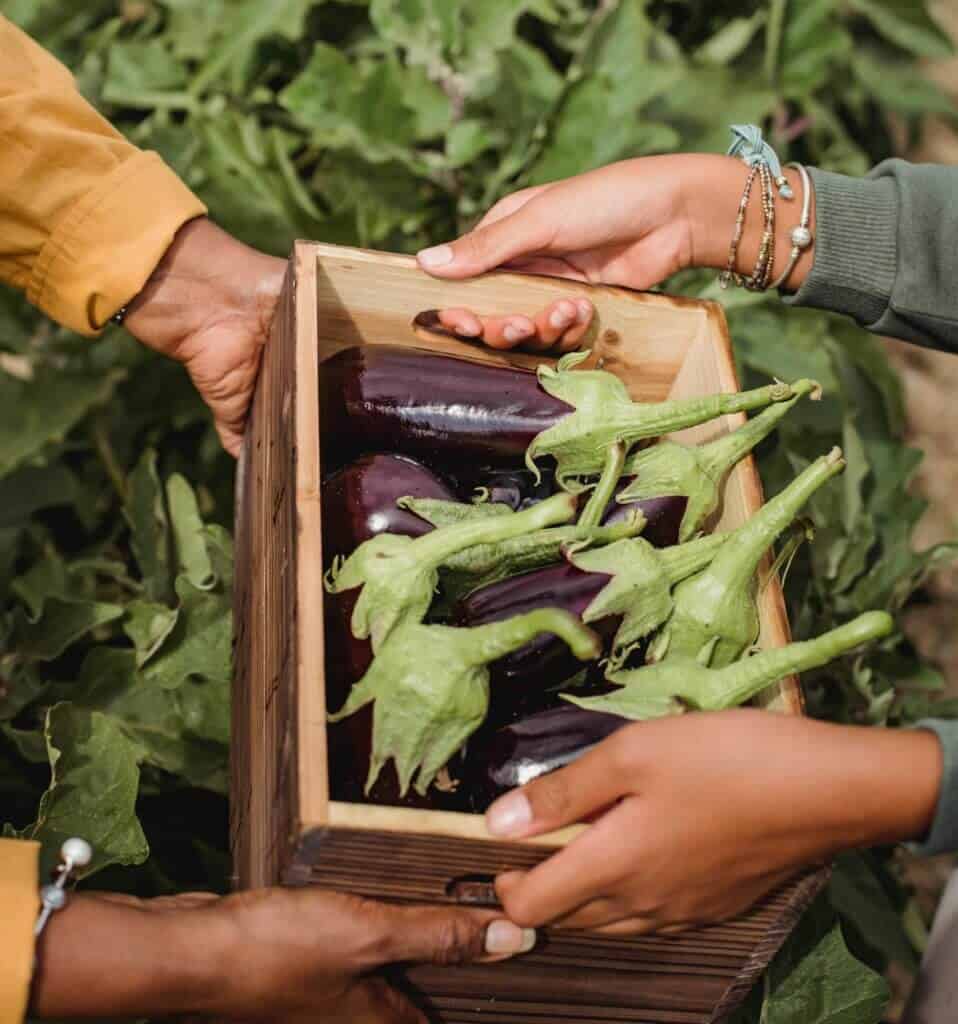
At the heart of all human connection lies a simple truth: we are designed to give and receive.
In Sacred Economics, Charles Eisenstein describes the gift economy as the recognition that life itself operates on principles of giving. For example, the universe constantly gifts us air, water, sunlight, and abundance. However, modern capitalism has taught us to see the world through a lens of scarcity, where more for you means less for me.
Gift economy challenges scarcity by creating circles of reciprocity:
- When you have more than you need, you share with someone who needs it.
- Gratitude turns into future generosity.
- The gift returns in transformed form, just as in nature, nothing is wasted.
This isn’t barter or simple trade. It’s a relationship-based exchange rooted in trust and interdependence.
Charles Eisenstein explains that gift economies work through the sacred principle of an abundance mindset: “More for you is also more for me” because our wellbeing is inseparable from collective wellbeing.
For centuries, gift economies thrived in families, villages, and close-knit communities.
- Work was an expression of one’s gifts and talents, not compensation for time.
- Healing was understood as relational and communal, not a commodity to purchase.
- Relationships were direct and personal, not mediated by money.
Today, as ecological crises and social fragmentation accelerate, many communities are returning to gift principles. They recognize that money alone cannot create belonging or address the deepest human needs.
Sacred economics offers a pathway forward: imagine communities where people genuinely need each other, where work expresses purpose, where healing happens through reciprocal relationships, and where land is honored as sacred rather than extracted for profit.
Living the Gift: Our Model of Reciprocity & Regenerative Community
Rainbow Bridge Hawaii embodies gift economy principles across every dimension of community life. Our mission statement says it plainly: “A Culture of Gift and Reciprocity.” We’re not just studying these ideas, we’re building them into daily practice.
Where you’ll see gift economy in action at Rainbow Bridge Hawaii:
- Community Garden Day: Every Wednesday, people work in the garden, swim at the waterfall, and share a farm-to-table meal. There’s no cost; everyone gives what they can and receives what they need.
- Work-trade + internships: Participants contribute 20 hours per week to meaningful work (natural building, permaculture design, land stewardship) in exchange for room, board, plant-based meals, and immersion in communal living.
- Donation-based/sliding-scale offerings: Many retreats and workshops are donation-based or supported by sliding-scale scholarships.
First, Community Garden Day welcomes both local community and visitors. People dig in the soil and care for the community garden. Then they swim at the waterfall. After that, everyone shares a farm-to-table meal.
There is no set price. Instead, each person gives what they can. So, each person can receive what they need. The garden teaches and helps people reconnect to land and each other.
Next, our work-trade and internship programs bring gift economy into communal living. Participants contribute 20 hours per week. They support natural building, permaculture design, and land stewardship.
In return, they receive room and board. They also receive plant-based meals. Finally, they receive immersion in community life.
Over 1–3 months, many people feel a deep shift. For example, they learn shared rhythms and responsibilities. They also practice communication and boundaries. As a result, they find belonging through real interdependence.
What participants typically experience over 1–3 months:
- Shared daily rhythms and responsibilities
- Interpersonal healing through communication and boundaries
- The profound sense of belonging that comes from genuine interdependence
Our founder, Zack Geist, explicitly shapes Rainbow Bridge’s financial model after Charles Eisenstein’s vision. Because of this, he funds community infrastructure and programming in the spirit of the gift, rather than extracting profit.
This isn’t financial naivety. It’s a deliberate choice to reject extractive and often destructive ways that capital flows in society and build instead a new way of being and investing with community.
Every donation, volunteer hour, and participant gift strengthens the web of reciprocity that holds us.
Healing Through Sacred Place, Community, and Regeneration
In ancient Greece, Asklepion healing sanctuaries served as early healing centers. They were temples dedicated to Asclepius.
What made them powerful was not technology. Instead, it was their vision. They treated healing as a whole-life process.
Healing needed a sacred environment. It also needed community. In addition, it needed integration. People connected body, mind, emotion, spirit, and social connection.
What Asklepion healing sanctuaries were known for:
- Pristine natural settings with gardens, flowing water, and sunlight
- Healing as a collective, social process
- Therapies spanning the practical and the mystical (including dream interpretation)
Treatment included herbal remedies and thermal baths. People also used massage and diet. Sometimes they used surgery.
Dream interpretation mattered too. Healers believed Asclepius visited patients in dreams. So, dreams guided transformation.
Rainbow Bridge Hawaii is striving to become a modern Syncretic Asklepion healing sanctuary on Hawai‘i Island.
Our vision follows the ancient principle. Healing happens when environment, practice, and community align.
At Rainbow Bridge Hawaii, that alignment looks like this:
- First, we restore the land.
- We plant native trees.
- We also do ecological restoration.
- In addition, we practice regenerative gardening.
Next, our Permaculture Design Certification and workshops teach land stewardship. We treat land stewardship as spiritual practice.
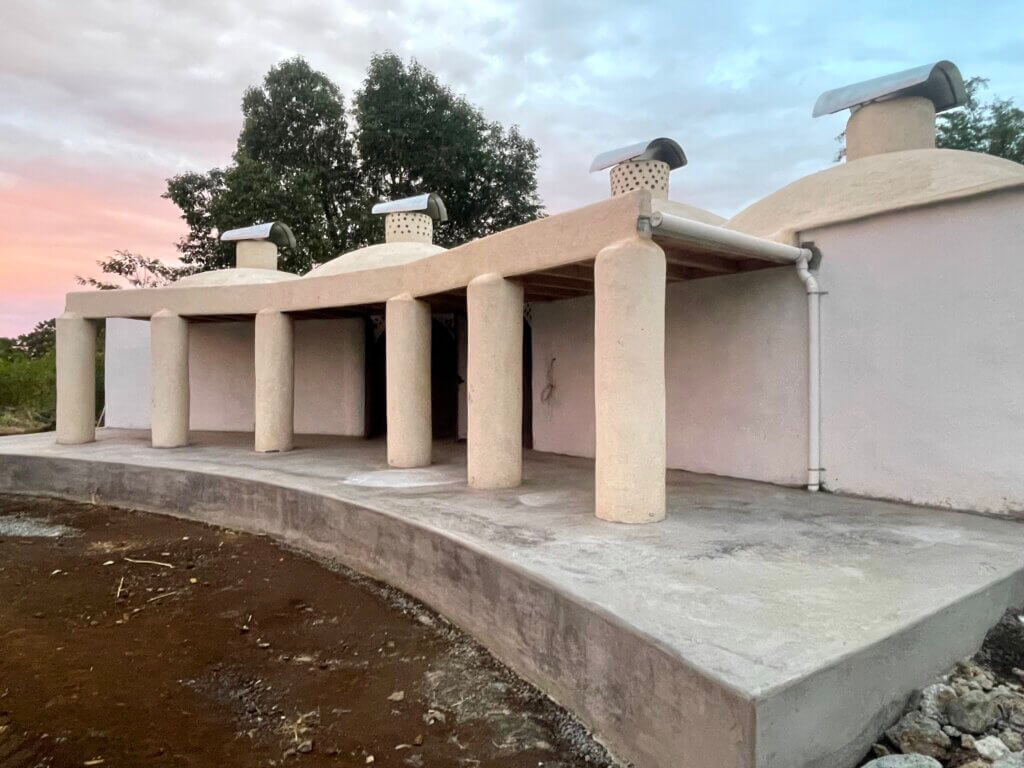
Finally, our Lucid Dream Retreat continues the Asklepion tradition. It uses our intentionally built dream temple. So, participants explore sleep-based healing and consciousness work.
Integrated healing means people do more than one thing at once. They do hands-on regenerative work. They also practice spiritual and emotional tools. Meanwhile, they build real community connection.
This is not wellness retreat consumption. Instead, it is healing as a pilgrimage.
In this model, you experience personal and spiritual transformation while contributing to land and community.
FAQ
What does gift economy mean in practice?
In practice, a gift economy means people give what they can and receive what they need within a relationship-based community. Rather than treating every exchange as a transaction, the gift economy is rooted in trust, gratitude, generosity, and interdependence. At Rainbow Bridge Hawaii, this can look like sharing labor, food, money, skills, land care, or presence in ways that support the well-being of the whole community.
What does sacred reciprocity mean?
Sacred reciprocity is the practice of giving and receiving in a way that honors the relationship between people, land, community, and spirit. It recognizes that healing and abundance are not individual experiences alone, but something created through mutual care. At Rainbow Bridge Hawaii, sacred reciprocity means every donation, volunteer hour, shared meal, planted tree, and act of service strengthens the larger web of belonging.
How does Rainbow Bridge Hawaii practice gift economy?
Rainbow Bridge Hawaii practices gift economy through community gatherings, work-trade programs, internships, donation-based offerings, and regenerative land stewardship. Community Garden Day invites people to work in the garden, swim at the waterfall, and share a farm-to-table meal while giving what they can. Longer-term work-trade and internship participants contribute to natural building, permaculture, infrastructure, and land care in exchange for room, board, plant-based meals, skills, and community immersion.
What is an Asklepion healing sanctuary?
An Asklepion healing sanctuary was an ancient Greek temple dedicated to whole-person healing. These sanctuaries combined sacred natural settings, community support, ritual, dream interpretation, herbal remedies, baths, diet, and other healing practices. Rainbow Bridge Hawaii draws inspiration from this model by creating a modern healing sanctuary where land restoration, community living, spiritual practice, dreamwork, and regenerative education support personal and collective transformation.
Your Journey Into Gift Economy & Healing Sanctuary
Gift economy only becomes real when you participate.
There are many pathways to experience our sanctuary and contribute your gifts, whether you’re arriving for a day or stepping into a longer season of learning and healing.
Ways to participate (choose what fits your season):
- Community Garden Day: Join us every Wednesday for hands-on permaculture work, waterfall swimming, and shared meals. Bring what you can; take what you need.
- Work Trade and Internships (1–3 months): Live with us and contribute 20 hours weekly to meaningful projects: natural building, land stewardship, or infrastructure, in exchange for room, board, meals, skills, and community.
- Permaculture Design Certification (2-week immersive): Deepen your understanding of regenerative living through hands-on learning in permaculture design, natural building, and community dynamics.
- Healing Retreats (donation-based/sliding-scale): Lucid Dream Retreat and other transformational programs with scholarship support so everyone can participate.
- Volunteer and Give: Support land restoration, native tree planting, animal care, and community programming with time, skills, trees, or financial gifts.
Each pathway is an invitation into sacred economics as a lived practice: work becomes gift expression, healing becomes communal, and belonging arises through genuine interdependence with land and people.